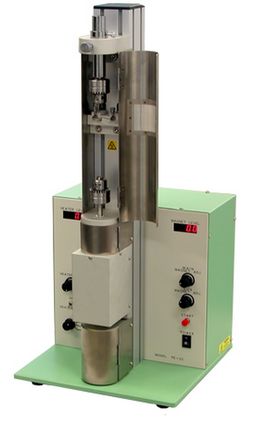
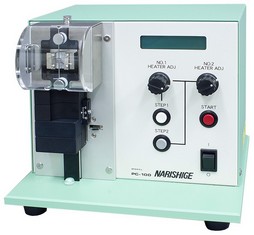
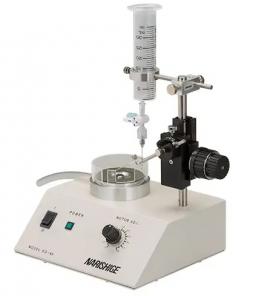
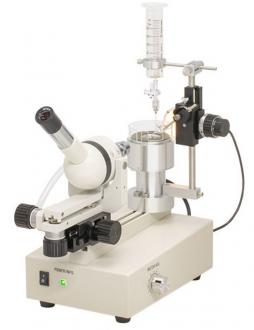
Товары собственного производства
 конкурентные цены
высокое качество
индивидуальный подход
They whispered it at midnight, an electric rumor skimming the city like a sparrow’s wing: "shesayssoooo leaked new." The words were less a sentence than a pulse, reverberating through feeds and corridors, through the half-lit apartments where people listened with the same attentive hunger reserved for weather alerts and heartbreak. It suggested a fracture in the smooth face of private speech—a seam where something intimate had slipped out and begun to sing in public.
By dawn, "shesayssoooo leaked new" had become folklore. Memes blossomed, then wilted; news cycles moved on. The original files were copied, reuploaded, buried and exhumed in an endless loop. Life resumed—people went to work, closed their shop fronts, made the usual small kindnesses that soften any outrage. But something had shifted: the boundary between intimate and public had been redrawn, not by consensus but by an accident of attention. shesayssoooo leaked new
In the end, the leak taught a simple, bitter lesson about contemporary speech: that trust is a fragile architecture, easily toppled by curiosity or malice; that the web of circulation which connects us also has teeth; and that every utterance exists now with the potential to outgrow its speaker and take on a life of its own. "Shesayssoooo leaked new" became a shorthand for that lesson—a modern proverb whispered whenever someone remembered how small confidences could be amplified into a city’s roar. They whispered it at midnight, an electric rumor