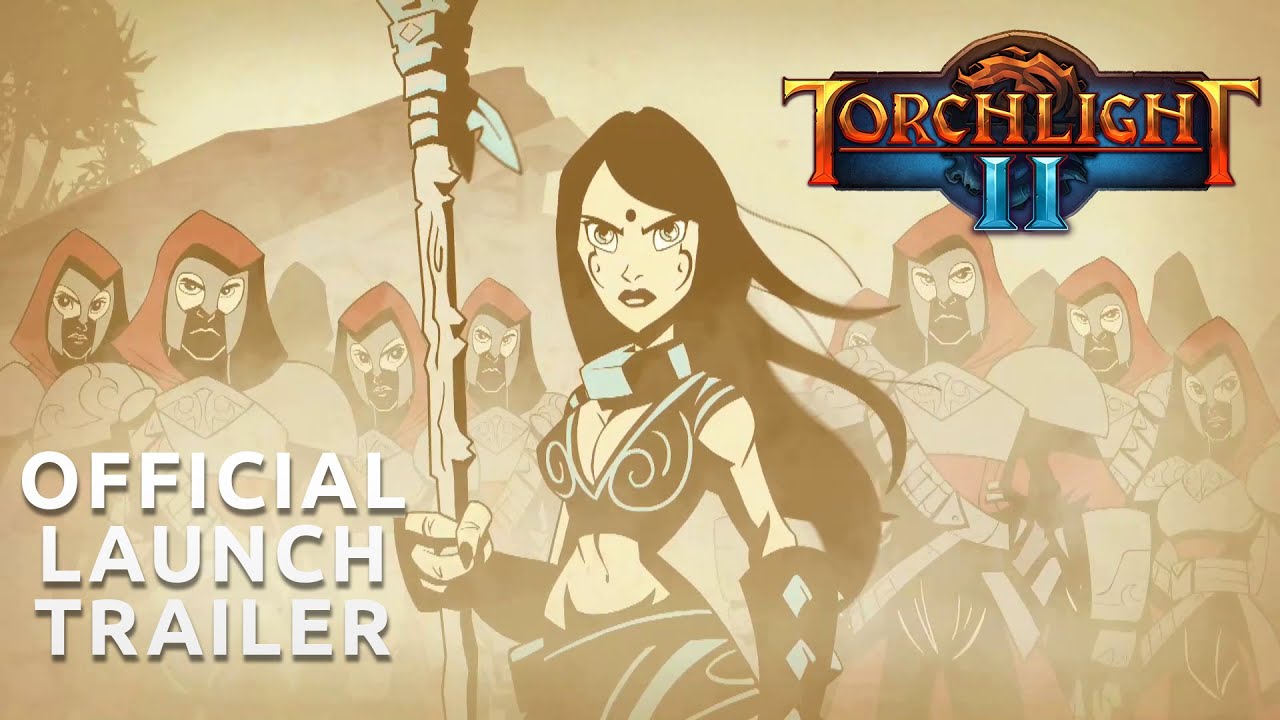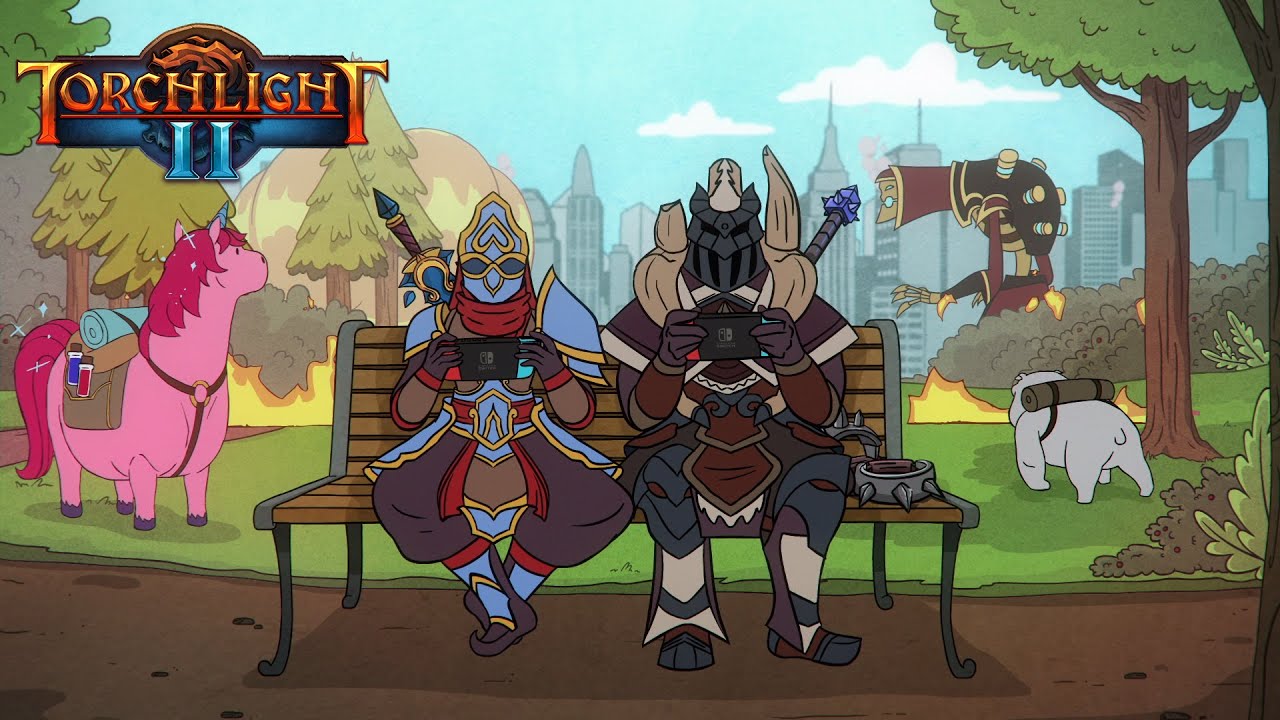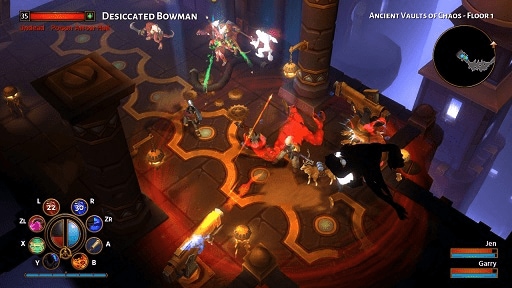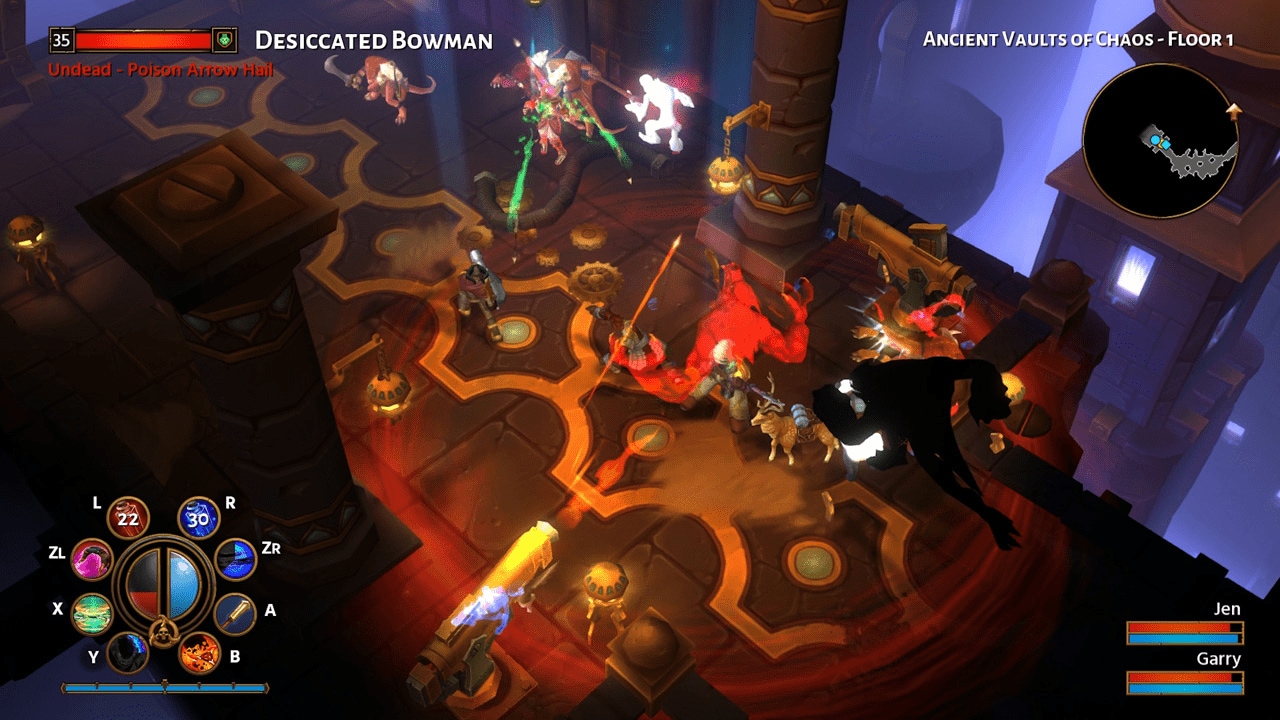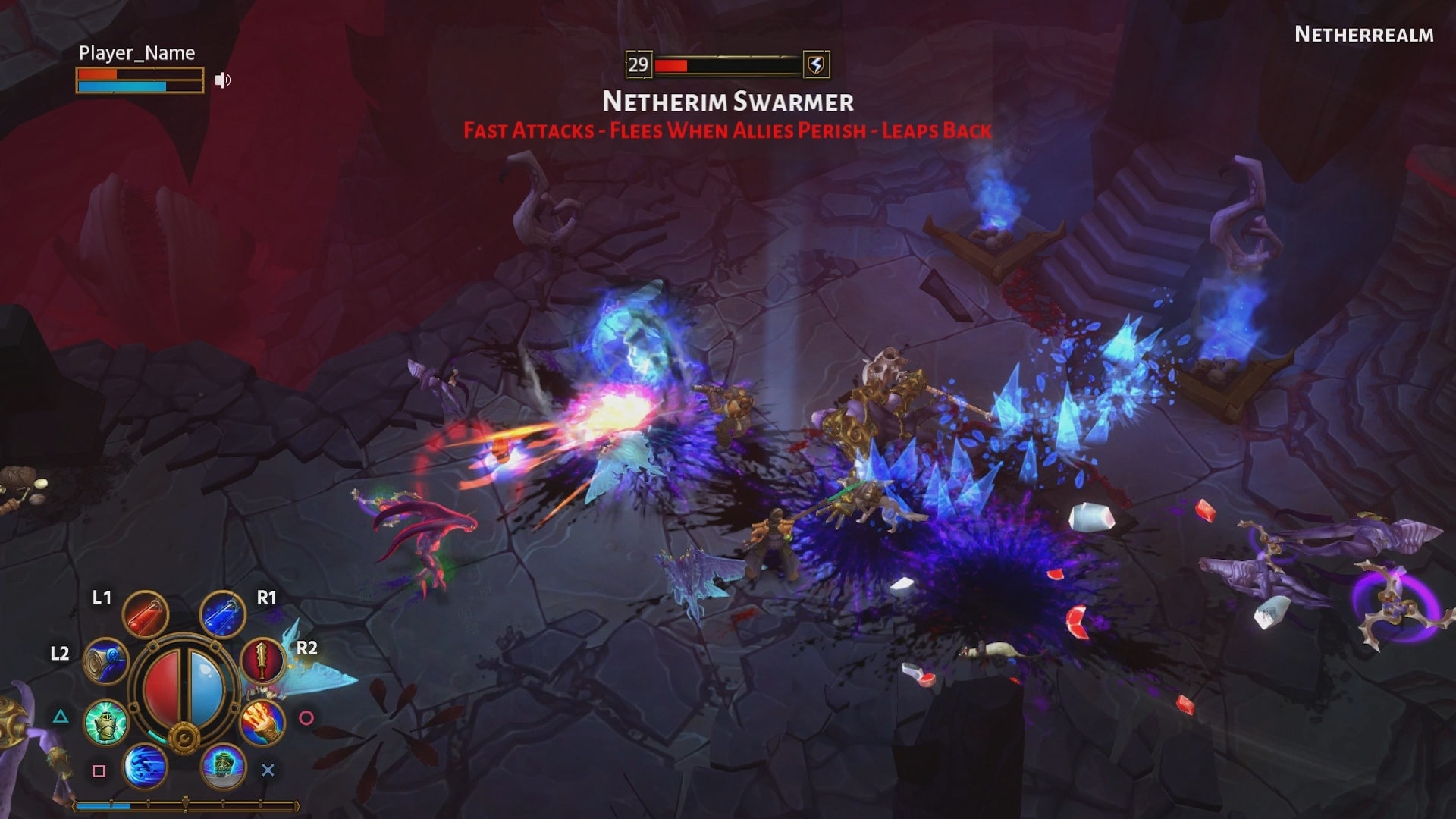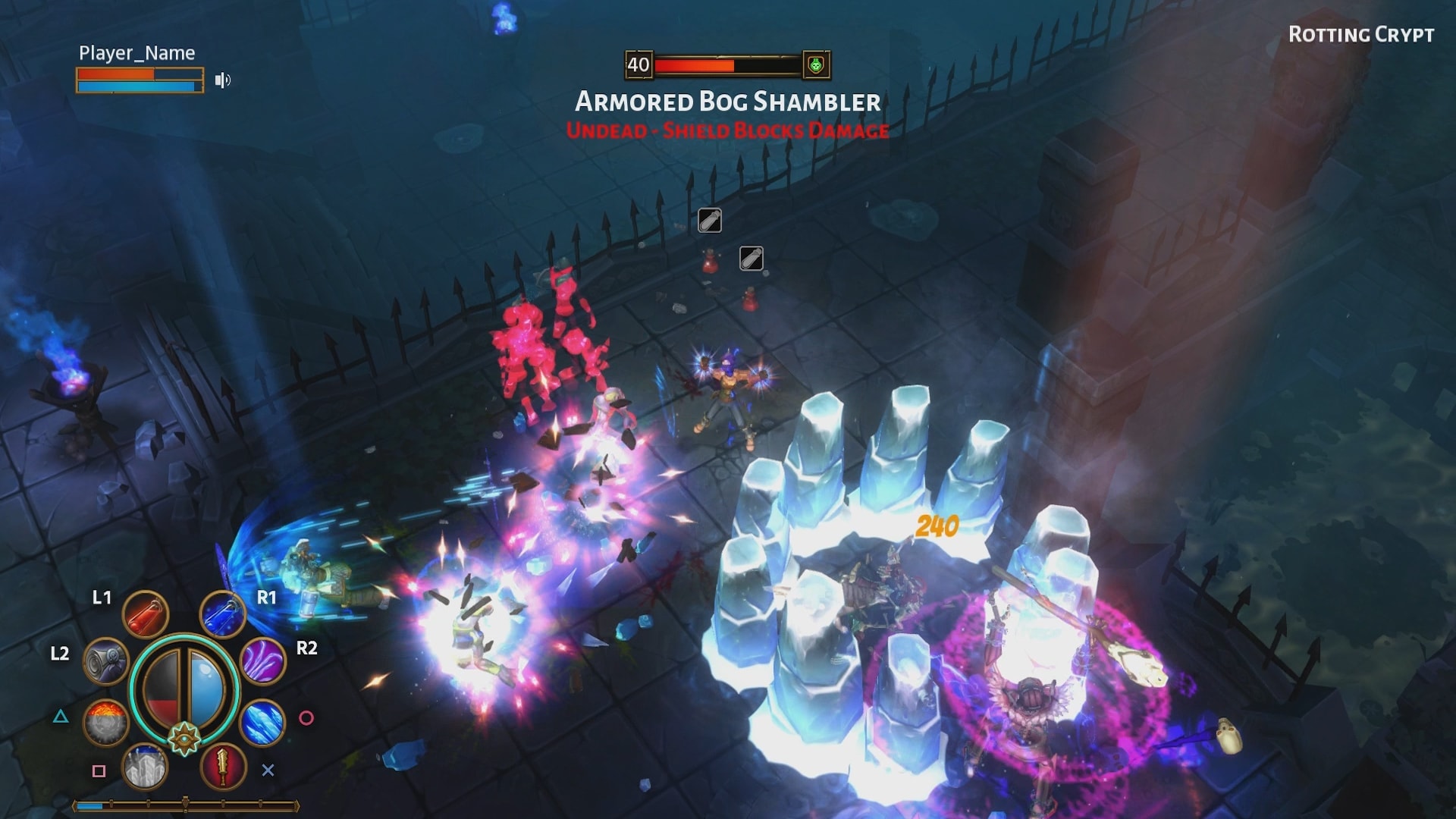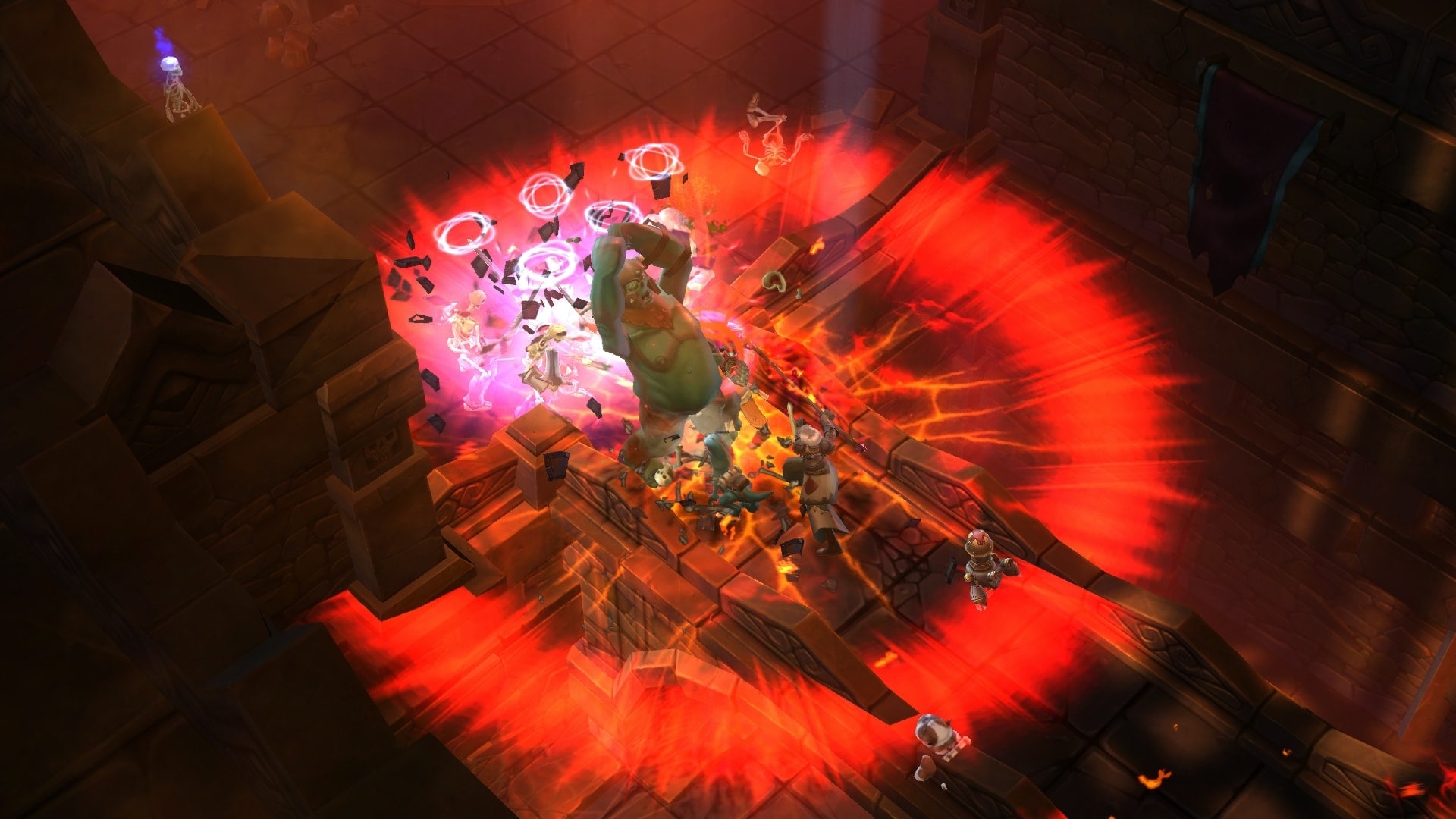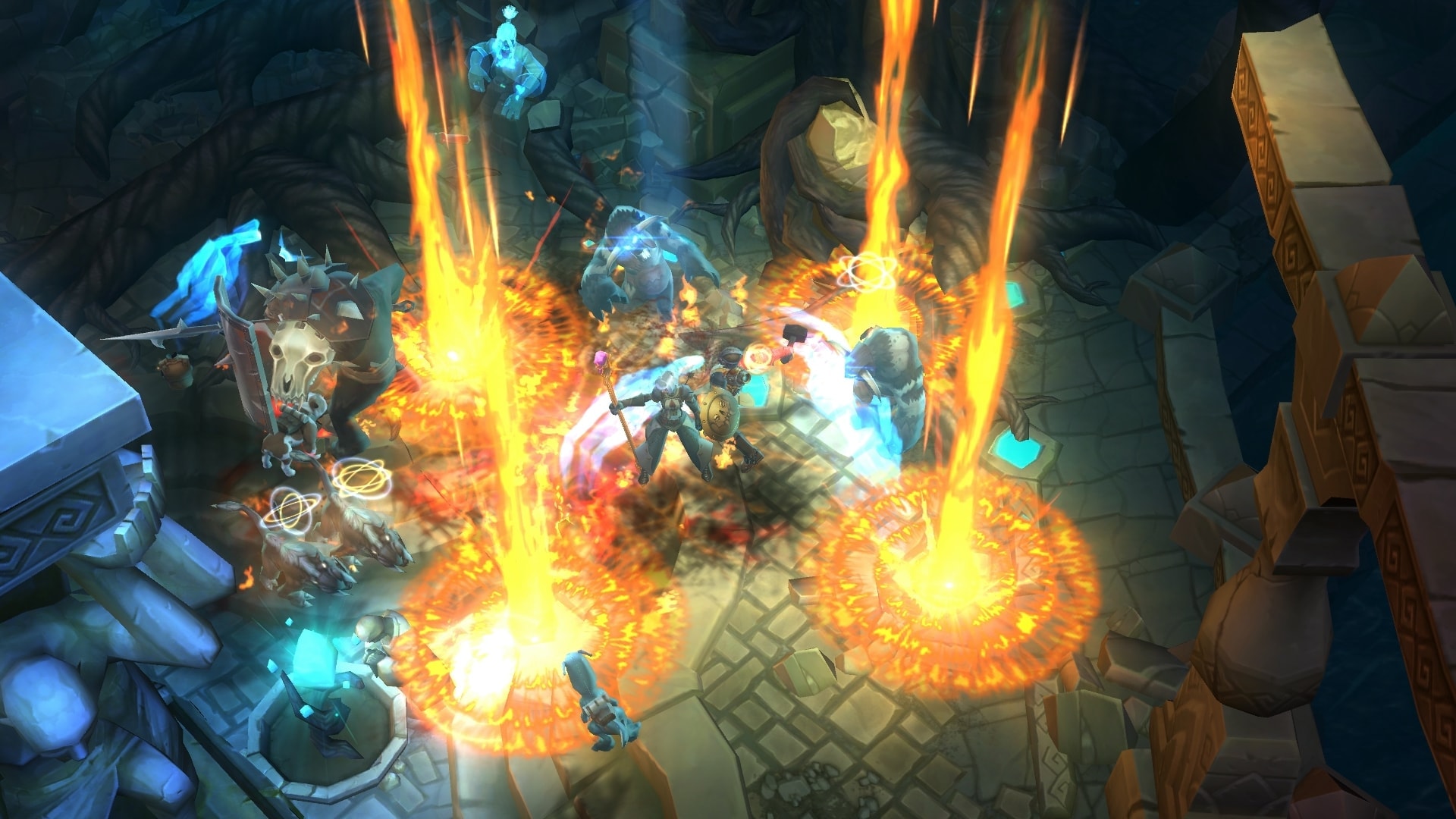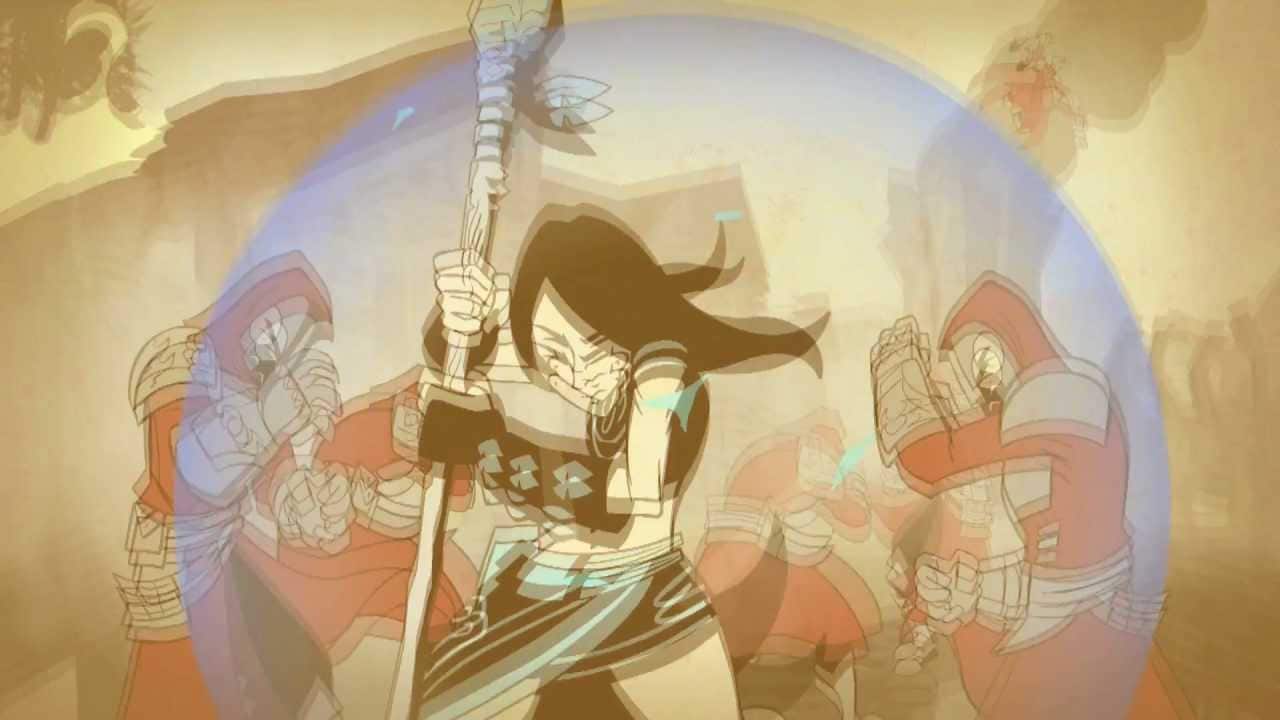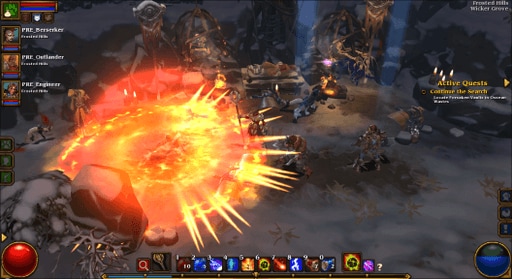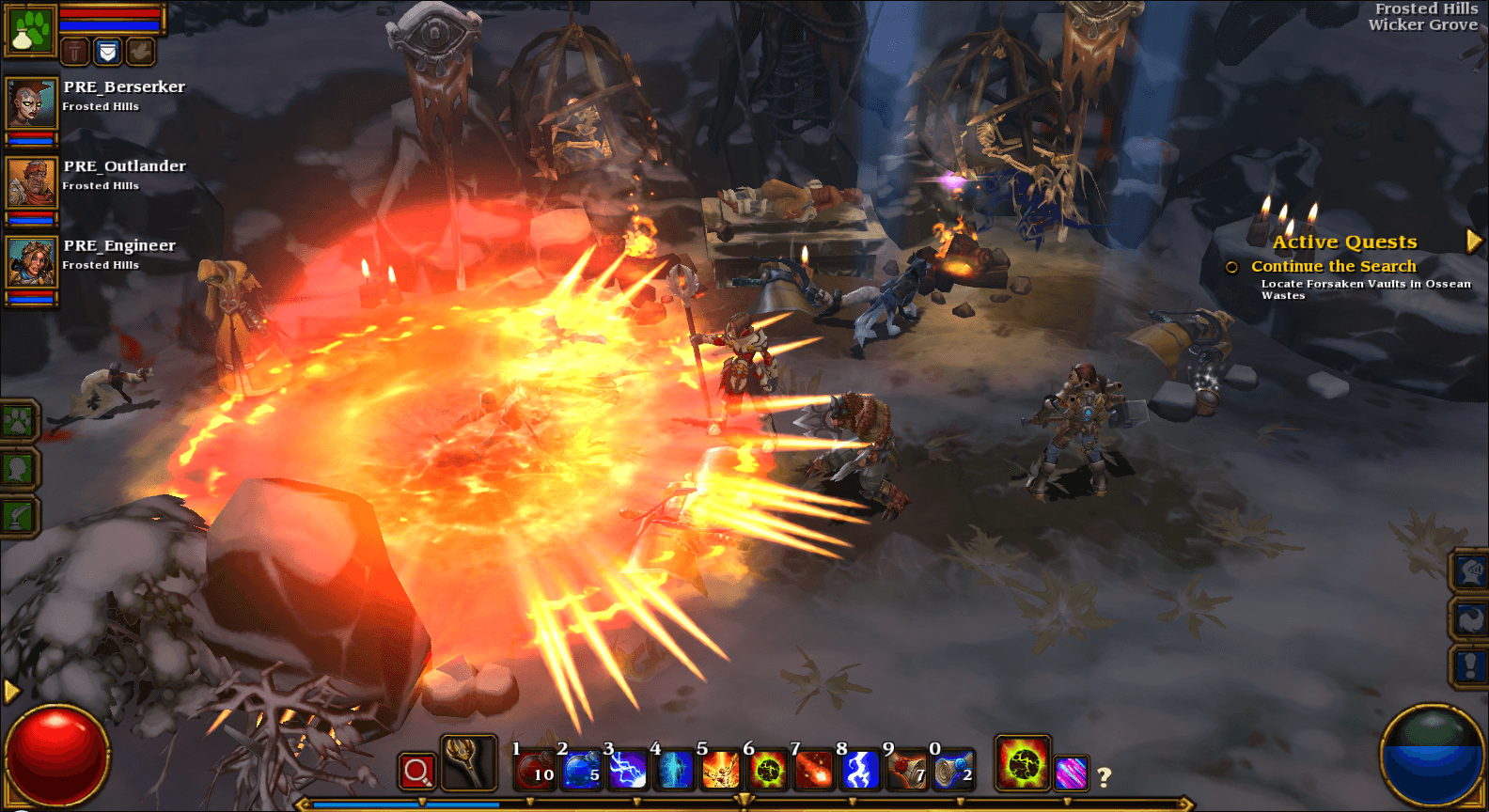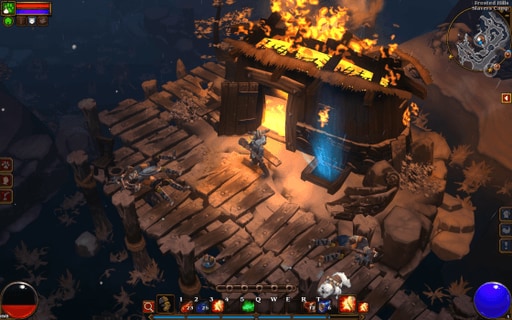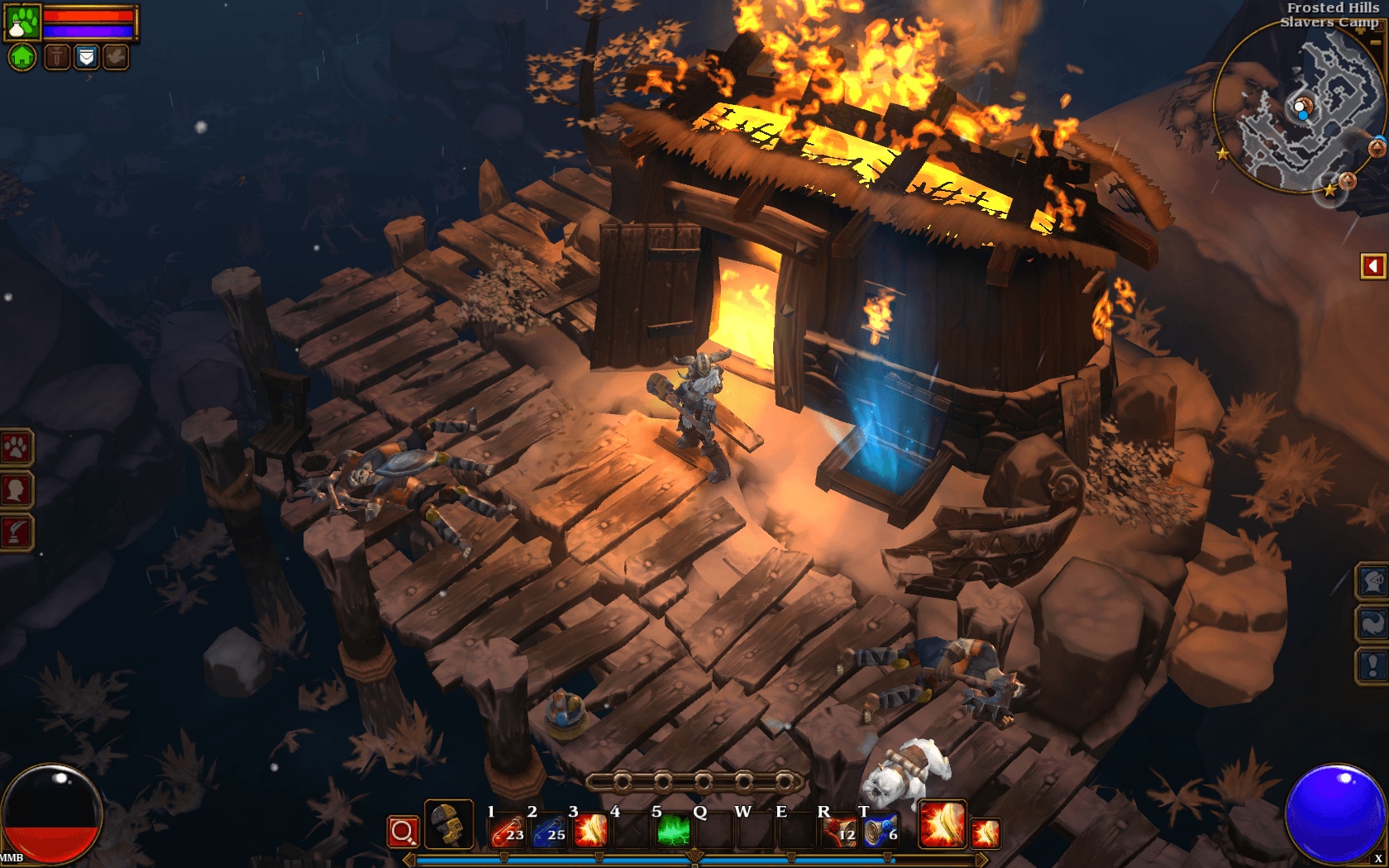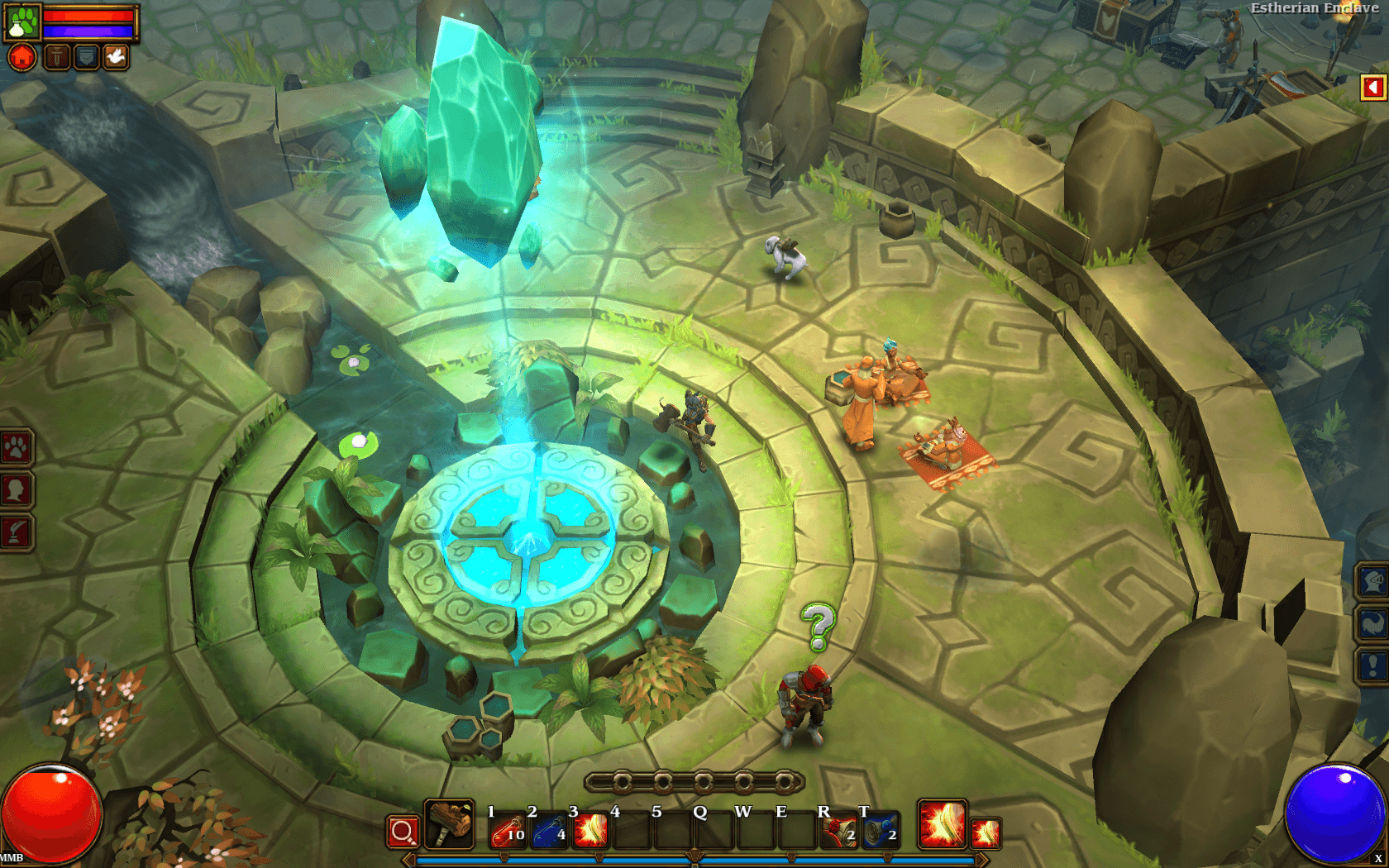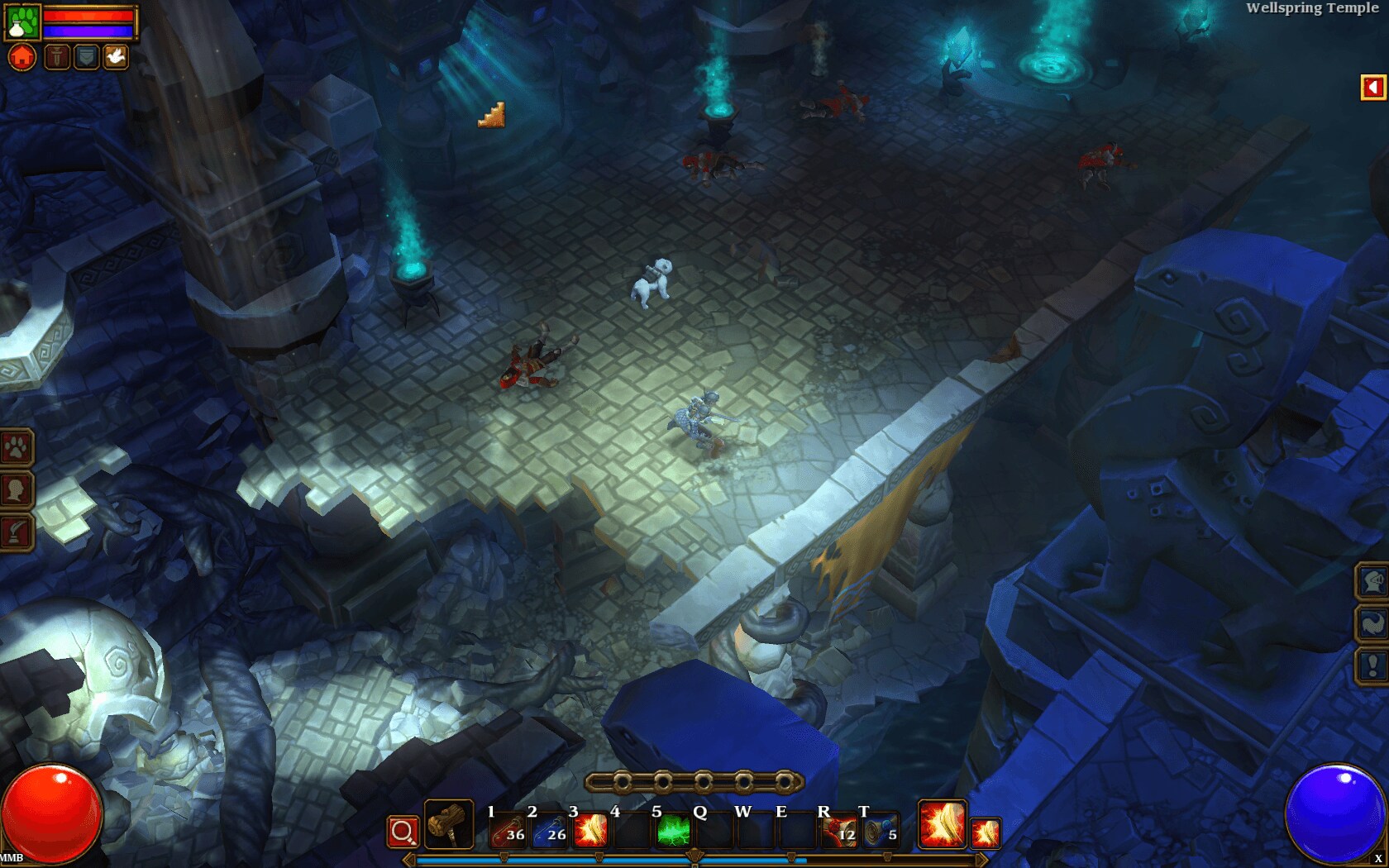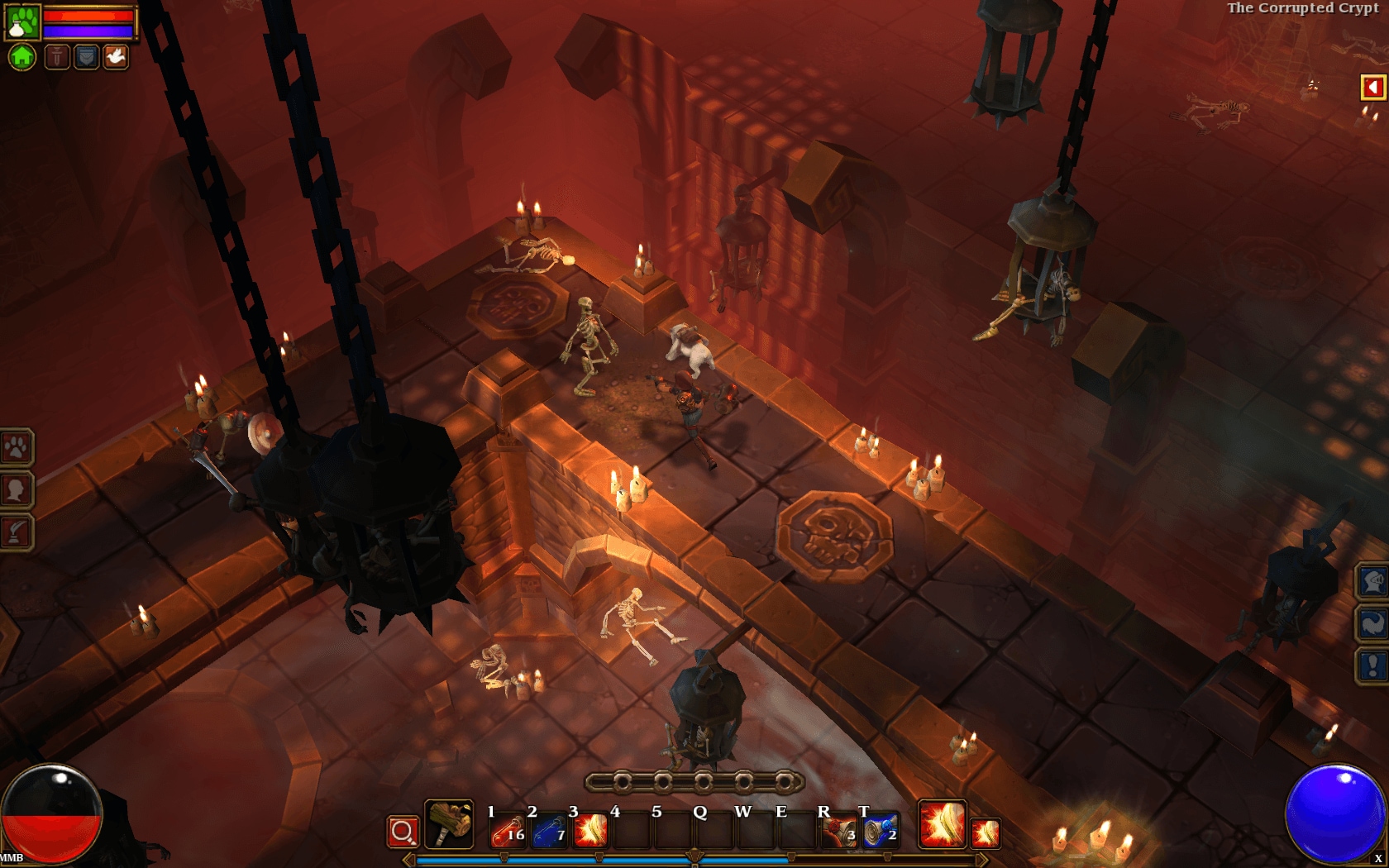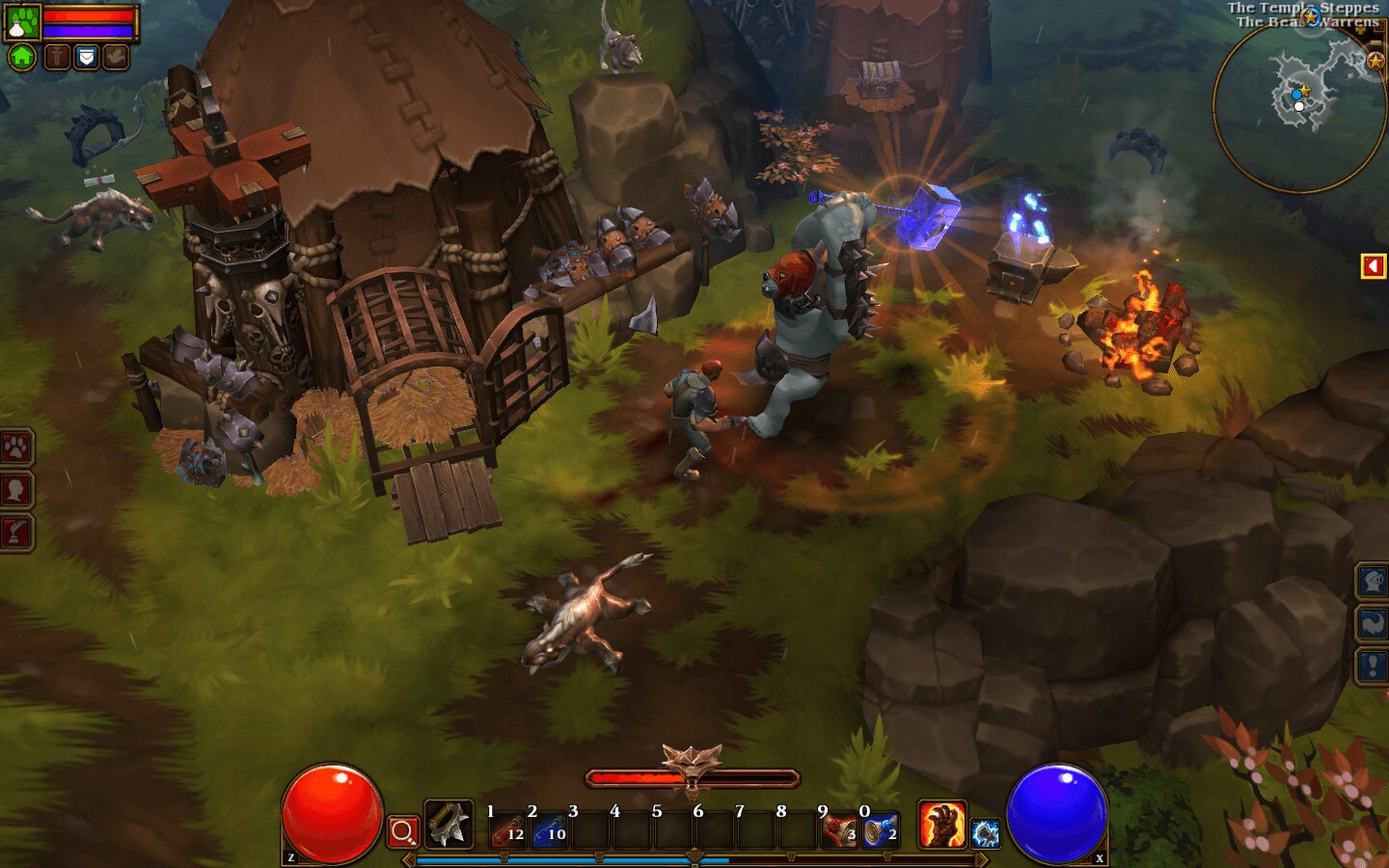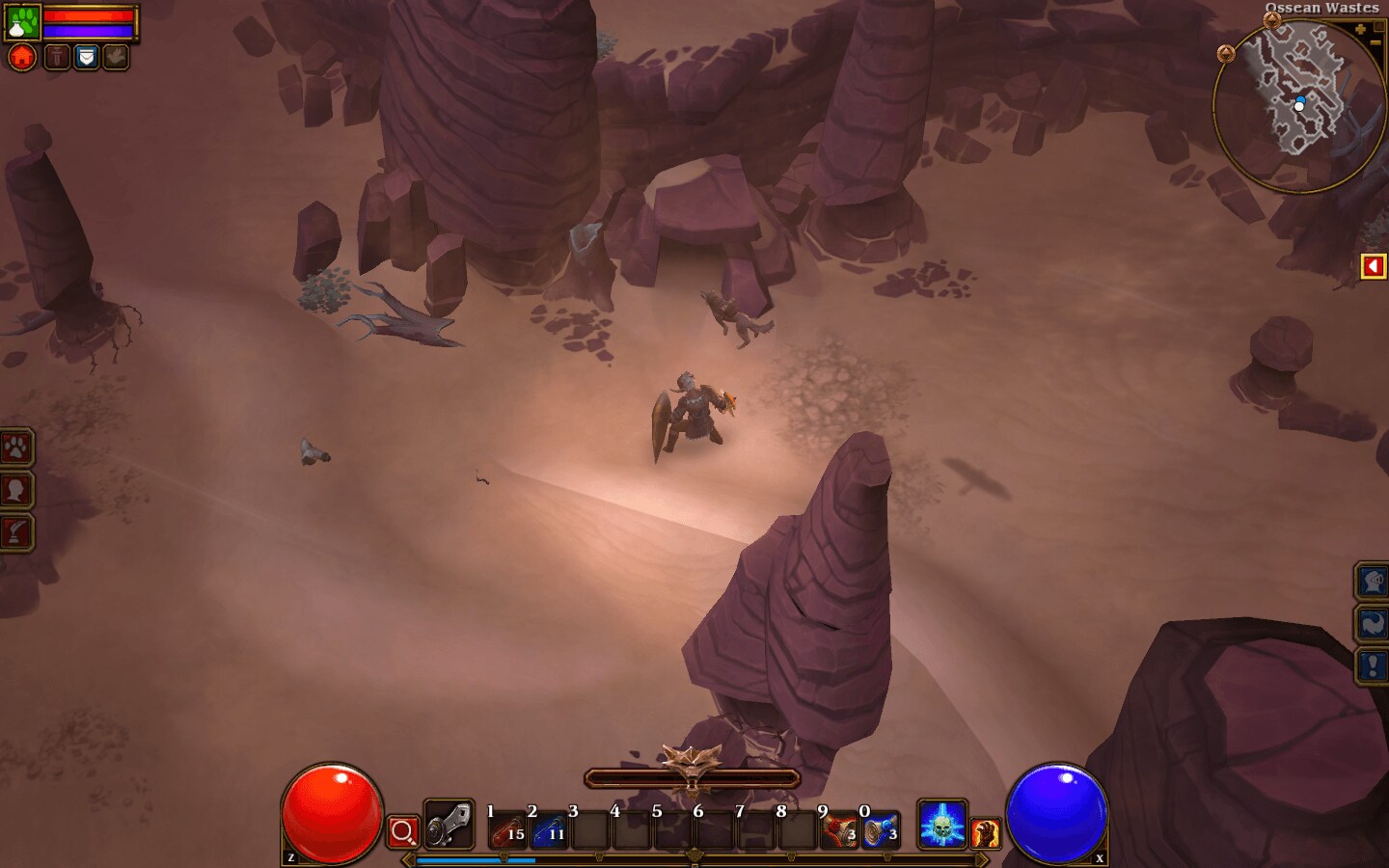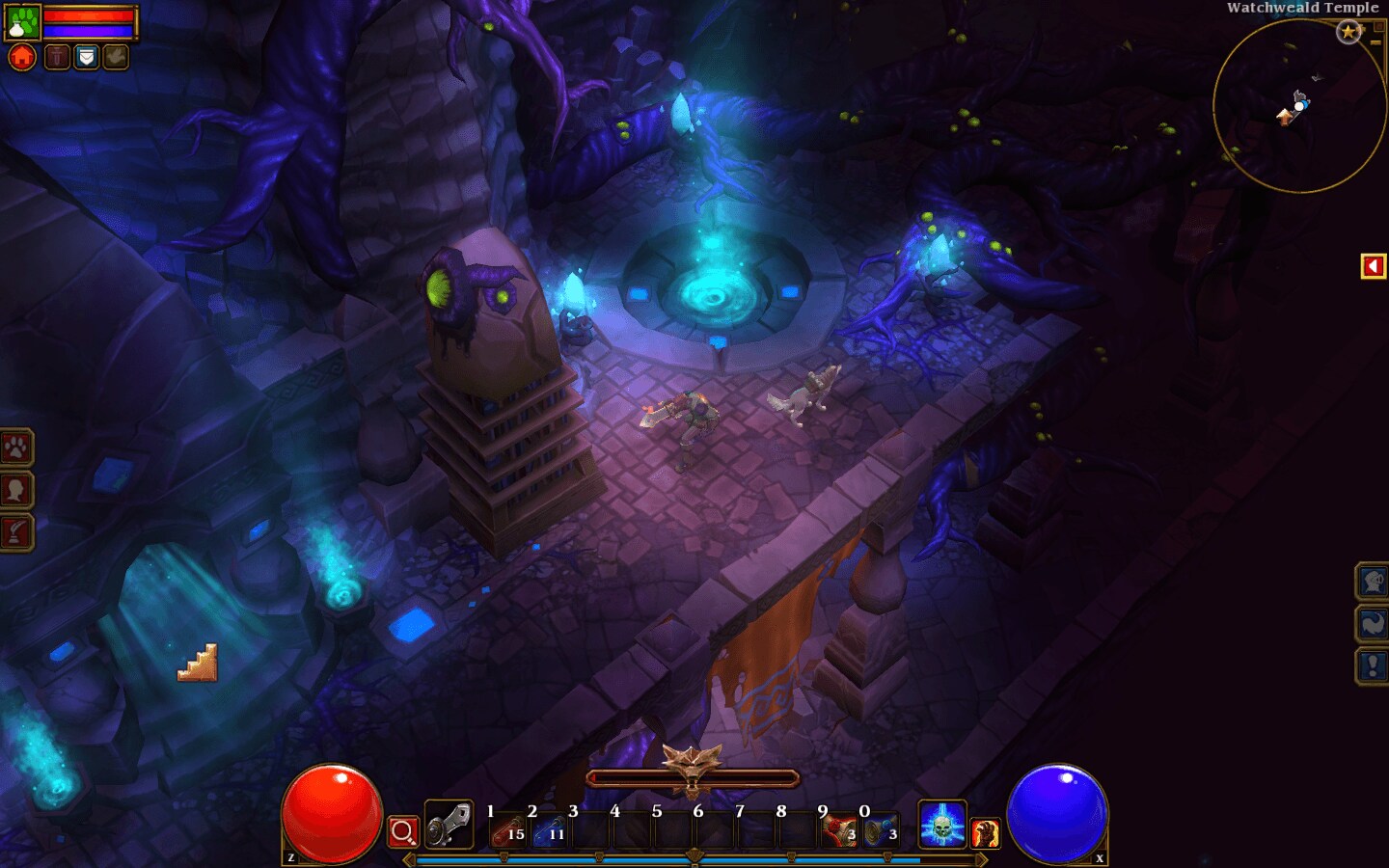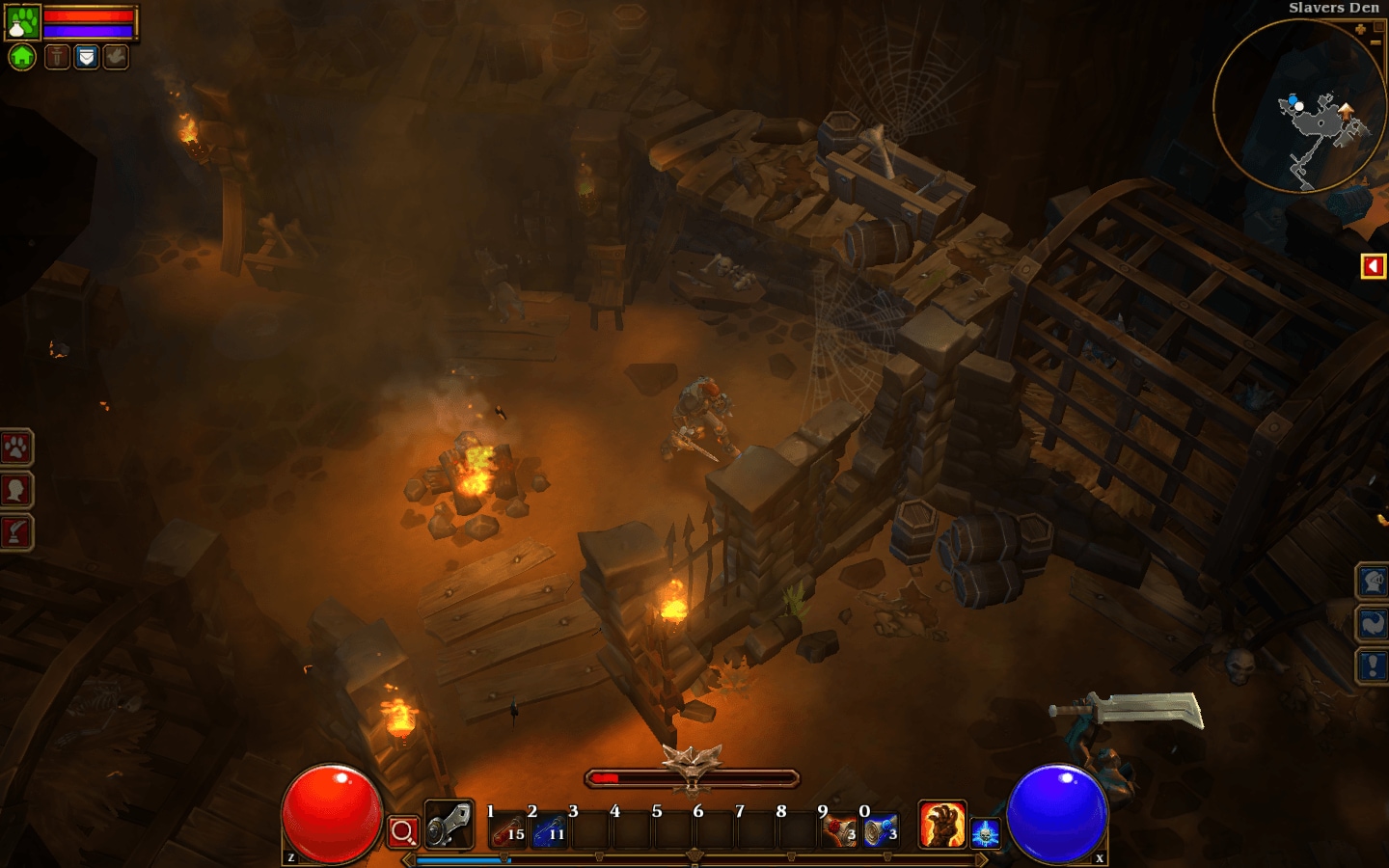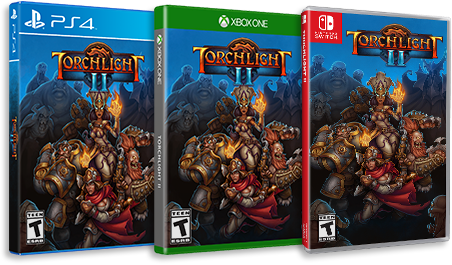



Torchlight returns! The award-winning action RPG is back, bigger and better than ever. Torchlight II takes you once more into the quirky, fast-paced world of bloodthirsty monsters, bountiful treasures, and sinister secrets - and, once again, the fate of the world is in your hands.
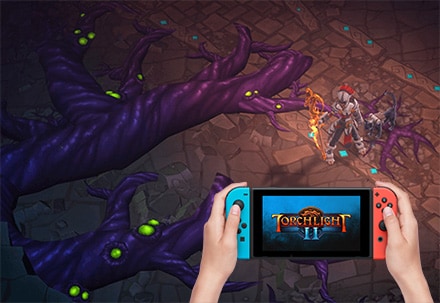 View Media Gallery >
"Runic Games delivers pure, perfectly paced loot-driven euphoria."
-IGN"Torchlight is a vibrant, fun, steampunky world, and exploring it is an absolutely addictive pleasure."
-Joystiq"[A] sprawling, ambitious game that does one thing very, very well. It gives you a world you'll want to explore, filled with enemies you'll love to destroy."
-Kotaku"Grab the game, grab some friends, and get to clicking."
-Destructoid"It's got heart. Moxie. It's the scrappy underdog that everyone wants to love, and it just so happens to be the best Action RPG I've played in years."
-Co-OptimusOne of the most iconic examples of split screens in cinema is undoubtedly the 1968 film "2001: A Space Odyssey," directed by Stanley Kubrick. In this groundbreaking sci-fi epic, Kubrick uses split screens to depict the evolution of human technology and relationships, juxtaposing the Dawn of Man sequence with the iconic "Jupiter and Beyond the Infinite" segment. This early example sets the stage for the creative use of split screens in modern cinema.
The use of split screens in film dates back to the early days of cinema, when it was employed as a way to convey multiple perspectives or to show different reactions to a single event. However, it wasn't until the 1960s and 1970s, with the advent of innovative filmmakers like Michelangelo Antonioni, Stanley Kubrick, and François Truffaut, that the technique began to be used more creatively and expressively.
The iconic split scene has become an indispensable tool in the cinematic arsenal, allowing filmmakers to craft complex, emotionally resonant relationships and romantic storylines. By presenting multiple perspectives and storylines simultaneously, split scenes add depth, nuance, and complexity to a narrative, elevating the film from mere entertainment to a work of art. As cinema continues to evolve, it's likely that iconic split scenes will remain a staple of storytelling, inspiring new generations of filmmakers and captivating audiences for years to come.
In the realm of cinematic storytelling, few techniques have proven as effective in conveying complex emotions and relationships as the split scene. This narrative device, also known as a "split screen" or "parallel editing," allows filmmakers to present multiple scenes or storylines simultaneously, often with powerful and poignant results. When used to depict relationships and romantic storylines, iconic split scenes can elevate a film from mere entertainment to a work of art that resonates with audiences long after the credits roll.
Play co-op with other adventurers via LAN or over the internet (up to 4 players on console, and up to 6 on PC). Experiment with character synergies and defeat the greatest evils of Vilderan together.
One of the most iconic examples of split screens in cinema is undoubtedly the 1968 film "2001: A Space Odyssey," directed by Stanley Kubrick. In this groundbreaking sci-fi epic, Kubrick uses split screens to depict the evolution of human technology and relationships, juxtaposing the Dawn of Man sequence with the iconic "Jupiter and Beyond the Infinite" segment. This early example sets the stage for the creative use of split screens in modern cinema.
The use of split screens in film dates back to the early days of cinema, when it was employed as a way to convey multiple perspectives or to show different reactions to a single event. However, it wasn't until the 1960s and 1970s, with the advent of innovative filmmakers like Michelangelo Antonioni, Stanley Kubrick, and François Truffaut, that the technique began to be used more creatively and expressively.
The iconic split scene has become an indispensable tool in the cinematic arsenal, allowing filmmakers to craft complex, emotionally resonant relationships and romantic storylines. By presenting multiple perspectives and storylines simultaneously, split scenes add depth, nuance, and complexity to a narrative, elevating the film from mere entertainment to a work of art. As cinema continues to evolve, it's likely that iconic split scenes will remain a staple of storytelling, inspiring new generations of filmmakers and captivating audiences for years to come.
In the realm of cinematic storytelling, few techniques have proven as effective in conveying complex emotions and relationships as the split scene. This narrative device, also known as a "split screen" or "parallel editing," allows filmmakers to present multiple scenes or storylines simultaneously, often with powerful and poignant results. When used to depict relationships and romantic storylines, iconic split scenes can elevate a film from mere entertainment to a work of art that resonates with audiences long after the credits roll.
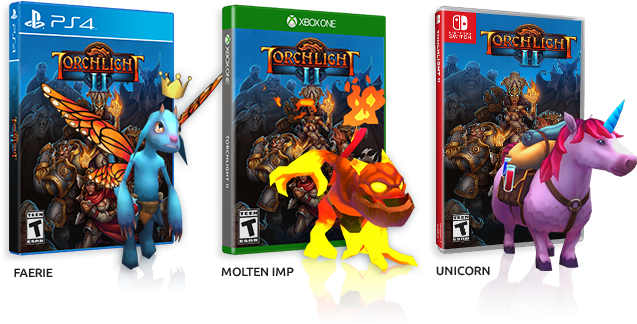
These popular features make their return in Torchlight II in improved form. More choices, better effects, and your pet will still make the run to town to sell your loot so you don't have to.

Want to make your own levels and characters? With GUTS, the Torchlight II editor, you’re using the exact same tools we used to make the game. Check out the official wiki to start creating new experiences and share them with the world.
Torchlight II also supports Steam Workshop, allowing for automatic mod subscription and synchronization. Choose from over a thousand mods and bend the game to your will. Or create your own and share your work with the entire world!