The schematic to ZIP converter is a valuable tool for digital designers, providing an efficient and reliable method for compressing schematic files. By understanding the working principles, advantages, and applications of this converter, designers can optimize their workflow, improve collaboration, and reduce data storage and transmission costs.
The increasing complexity of digital designs has led to a growing need for efficient and reliable data compression techniques. One such technique is the conversion of schematic files to ZIP archives, which enables the compact storage and transmission of large design files. This paper provides an in-depth review of the schematic to ZIP converter, including its working principles, advantages, and applications.
Schematic files are a crucial part of digital design, representing the graphical representation of electronic circuits. However, these files can be large and cumbersome, making them difficult to store, transmit, and share. ZIP compression, on the other hand, is a widely used technique for compressing files, reducing their size while maintaining their integrity. The schematic to ZIP converter is a tool that bridges these two formats, enabling the efficient compression of schematic files.
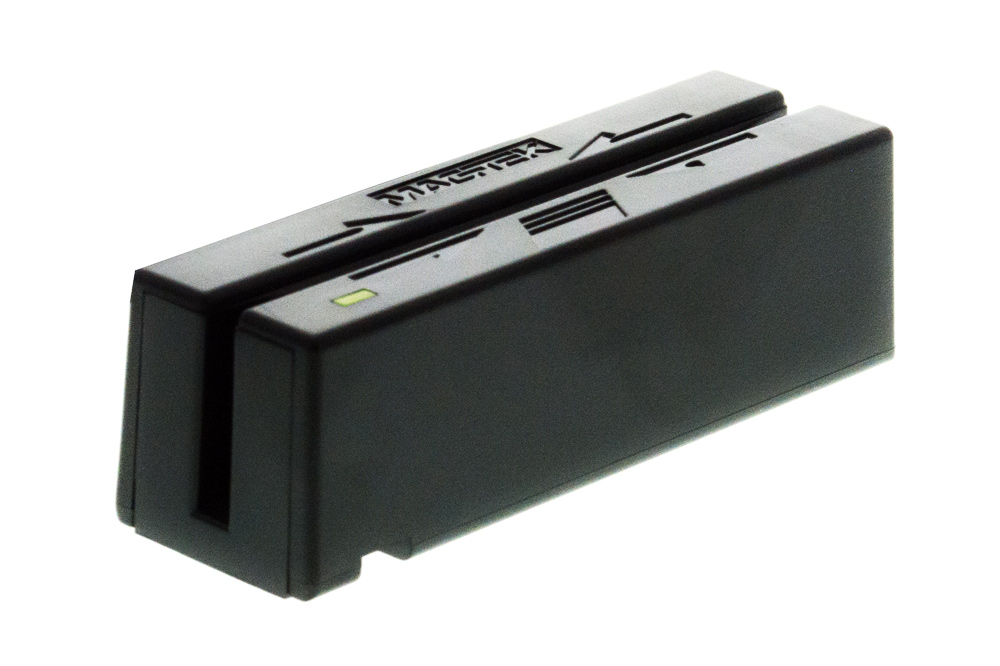
Multiple Interface Options
USB Keyboard Emulation, USB HID or Port Powered RS232.

Reliable
The Mini offers the highest possible read reliability and the highest specification MTBF in the industry. schematic to zip converter work

Flexible
Mount with self-mounting adhesive strips or using the embedded threaded mounting points. The schematic to ZIP converter is a valuable
| Current | USB: normal 30 mA; Suspend mode 300 uA RS-232: Quiescent 1-2 mA typical (continuous), transmitting 8-9 typical (5ms duration), peak at power on 12 mA |
| USB & RS-232 Size |
Length: 3.94” (100.0mm) Width: 1.28” (32.5mm) Height: 1.23” (31.3mm) |
| USB & RS-232 Weight |
Weight: 4.5 oz. (127.57 g) |
| TTL 100 mm Size |
Length: 3.94" (100 mm) Height: 1.23" (31.3mm) Width: 1.28" (32.5mm) |
| TTL 101 mm Size |
Length: 4.0" (101.6 mm) Height: 1.08" (27.4 mm) Width: 1.62" (41.1 mm) |
| Temperature | |
| Operating | -30 °C to 70 °C (-22 °F to 158 °F) |
| Storage | -40 °C to 70 °C (-40 °F to 158 °F) |
| Humdity | |
| Operating | 10% to 90% noncondensing |
| Storage | 10% to 90% noncondensing |
| Altitude | |
| Operating | 0-10,000 ft. (0-3048 m.) |
| Storage | 0-50,000 ft. (0-15240 m.) |
The schematic to ZIP converter is a valuable tool for digital designers, providing an efficient and reliable method for compressing schematic files. By understanding the working principles, advantages, and applications of this converter, designers can optimize their workflow, improve collaboration, and reduce data storage and transmission costs.
The increasing complexity of digital designs has led to a growing need for efficient and reliable data compression techniques. One such technique is the conversion of schematic files to ZIP archives, which enables the compact storage and transmission of large design files. This paper provides an in-depth review of the schematic to ZIP converter, including its working principles, advantages, and applications.
Schematic files are a crucial part of digital design, representing the graphical representation of electronic circuits. However, these files can be large and cumbersome, making them difficult to store, transmit, and share. ZIP compression, on the other hand, is a widely used technique for compressing files, reducing their size while maintaining their integrity. The schematic to ZIP converter is a tool that bridges these two formats, enabling the efficient compression of schematic files.