Ioncube 13 Decoder New May 2026

In the shadowy intersection of software protection, reverse engineering, and the commercial rush for convenience, a familiar trope has re-emerged: promises of an “ionCube 13 decoder” that will instantly unlock protected PHP code. The claim is seductive—restore lost source, migrate legacy systems, or patch a vendor lock-in—and it taps into a broader truth: developers frequently inherit obfuscated applications with no convenient route to the original sources. But behind the marketing copy and forum posts lies a mix of technical reality, legal peril, and ethical ambiguity. This editorial unpacks why these decoder claims persist, what they mean technically, and why anyone considering them should proceed with caution.

In short: decoding ionCube-encoded PHP isn’t inherently impossible, but universal decoders are unlikely; pursuing them without legal clearance and careful risk controls is unwise; and for most legitimate needs, vendor engagement, backups, or sanctioned professional services are the responsible routes. ioncube 13 decoder new

What ionCube is—and why it’s used ionCube is a commercial PHP encoder and loader widely used to protect PHP source code from easy reading, copying, or modification. By compiling PHP into bytecode or encrypted form and requiring a loader extension to run, ionCube helps vendors protect intellectual property and enforce licensing. For many legitimate software vendors—plugins, enterprise modules, billing systems—ionCube offers a simple way to distribute value while limiting unauthorized redistribution. In the shadowy intersection of software protection, reverse
MailBot AI For Email

Cut your time writing emails in half

Reply to customer emails with MailBot.AI, and you’ll never have to sort through an overflowing inbox ever again.

Effortless, personalized email replies

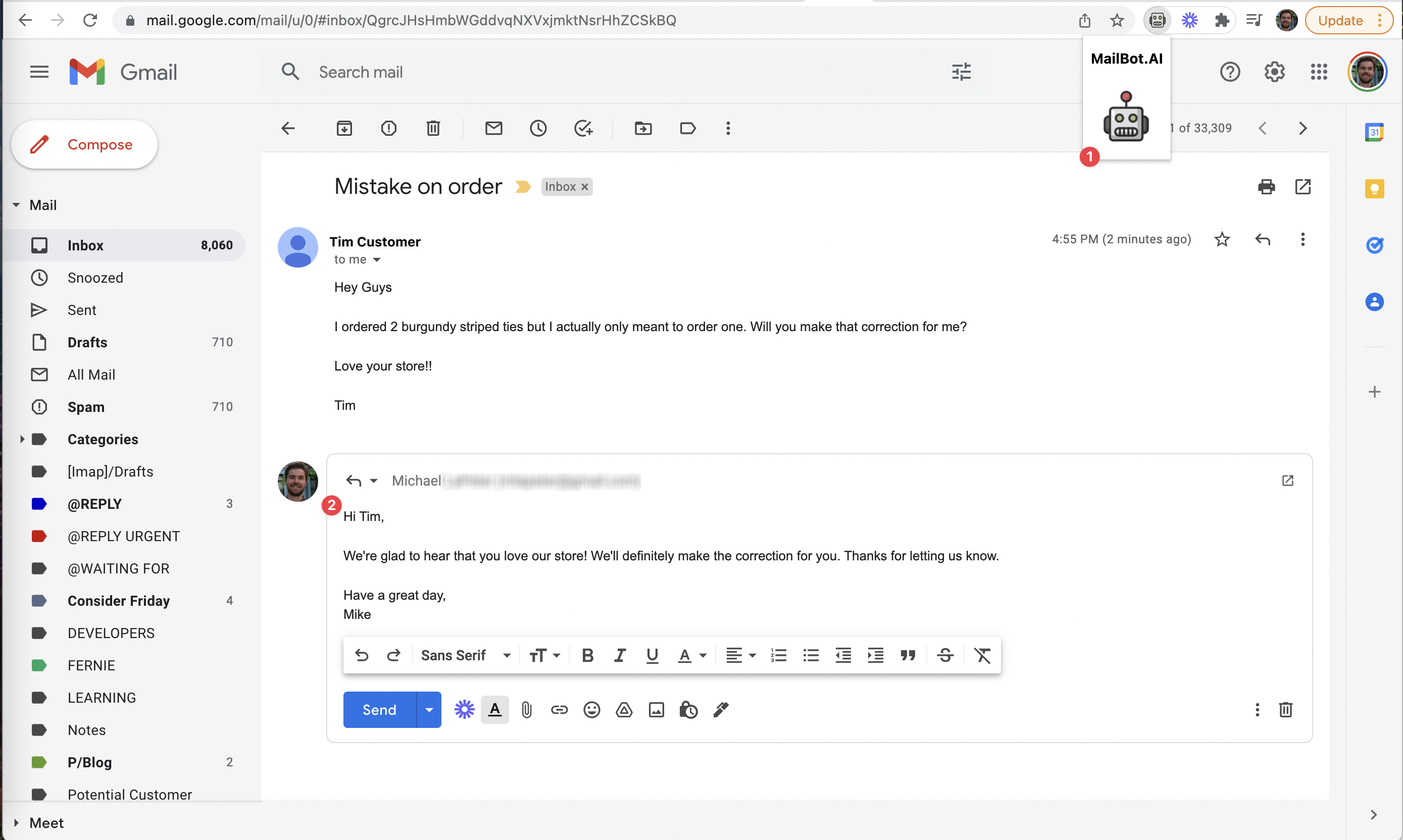
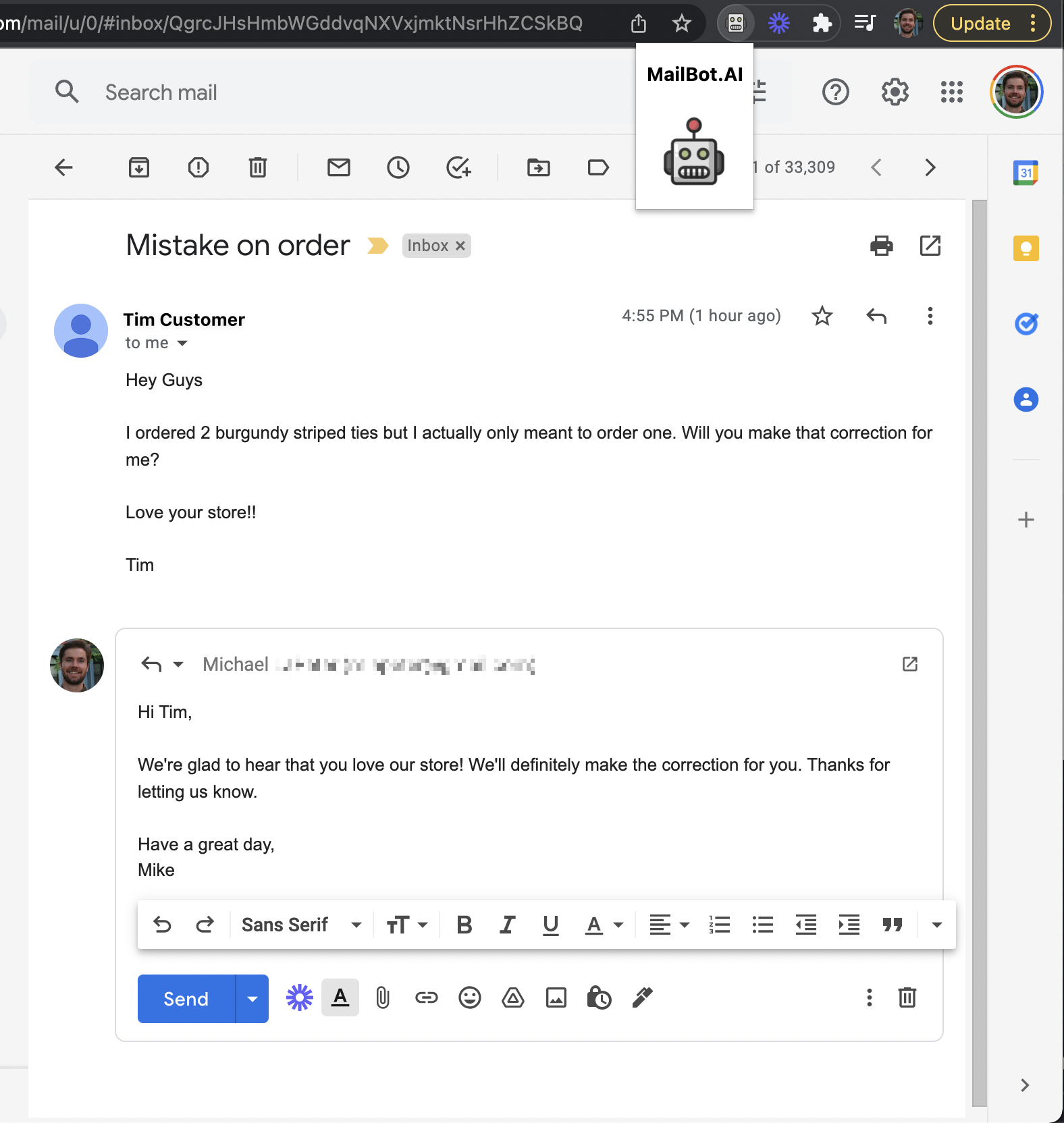
MailBot.AI is an email writing assistant that uses artificial intelligence to generate high quality responses to emails from your prospects, customers and other contacts. Imagine never having to write another boring email reply in your life...

Reply to emails with a single click

Reply to your emails in a snap with MailBot.AI’s revolutionary AI assistant. Your email will be handled by our engine, giving you the time you deserve to focus on what really matters.

Inbox zero

Reply to customer emails with MailBot.AI, and you’ll never have to sort through an overflowing inbox ever again.

Works in Gmail

Meet MailBot.AI - a tool that lets you craft email responses in minutes. Write emails in a couple of clicks. It’s super-easy to use, and works right inside Gmail.

In the shadowy intersection of software protection, reverse engineering, and the commercial rush for convenience, a familiar trope has re-emerged: promises of an “ionCube 13 decoder” that will instantly unlock protected PHP code. The claim is seductive—restore lost source, migrate legacy systems, or patch a vendor lock-in—and it taps into a broader truth: developers frequently inherit obfuscated applications with no convenient route to the original sources. But behind the marketing copy and forum posts lies a mix of technical reality, legal peril, and ethical ambiguity. This editorial unpacks why these decoder claims persist, what they mean technically, and why anyone considering them should proceed with caution.

In short: decoding ionCube-encoded PHP isn’t inherently impossible, but universal decoders are unlikely; pursuing them without legal clearance and careful risk controls is unwise; and for most legitimate needs, vendor engagement, backups, or sanctioned professional services are the responsible routes.

What ionCube is—and why it’s used ionCube is a commercial PHP encoder and loader widely used to protect PHP source code from easy reading, copying, or modification. By compiling PHP into bytecode or encrypted form and requiring a loader extension to run, ionCube helps vendors protect intellectual property and enforce licensing. For many legitimate software vendors—plugins, enterprise modules, billing systems—ionCube offers a simple way to distribute value while limiting unauthorized redistribution.