

“You’ve been watching yourself,” she said. “People think they leave traces only when they go. But a trace is also what you publish of yourself—the clips you choose to show, the margins you leave blank. Darker shades are not just sadness. They are what’s invisible in bright light: regret, mercy, things you swore you’d say and never did.”
I left Harbor’s Edge the week the leaves thought about turning and the motels switched to winter rates. The Polaroid was in my wallet beside receipts from places I no longer wished to revisit. I still visit the site sometimes—not to relive but to witness. Its feed is full of other people’s darker shades now: a child’s hand, a woman’s laugh after a long silence, a man folding a paper plane with care. The comments no longer try to label the footage; they simply say, “I saw it,” which is all any of us can ask.
They said Mara’s last upload had been weird—clips of muted storms, sunsets filmed backward, a festival where no one clapped. The comments thread had filled with strangers trying to make sense of images that refused to be sensible. Then the page went dark. Mara disappeared from social feeds and then, eventually, from conversations, like fog lifting from a windowpane.
I learned things in fragments. Mara had been a curator of sorts—of objects, of moments, of small contradictions. She collected found things: a sand-scarred Polaroid, a cracked watch that kept wrong time, a sweater that smelled faintly of someone else’s laugh. People said she left the town in late spring, then came back with eyes that looked like they’d been catalogued and labeled. She ran a website once—an unrated gallery called wwwmovies, a place people whispered about because movies without ratings feel like cinema without a script: risky, intimate, unmoored.

“You’ve been watching yourself,” she said. “People think they leave traces only when they go. But a trace is also what you publish of yourself—the clips you choose to show, the margins you leave blank. Darker shades are not just sadness. They are what’s invisible in bright light: regret, mercy, things you swore you’d say and never did.”
I left Harbor’s Edge the week the leaves thought about turning and the motels switched to winter rates. The Polaroid was in my wallet beside receipts from places I no longer wished to revisit. I still visit the site sometimes—not to relive but to witness. Its feed is full of other people’s darker shades now: a child’s hand, a woman’s laugh after a long silence, a man folding a paper plane with care. The comments no longer try to label the footage; they simply say, “I saw it,” which is all any of us can ask.
They said Mara’s last upload had been weird—clips of muted storms, sunsets filmed backward, a festival where no one clapped. The comments thread had filled with strangers trying to make sense of images that refused to be sensible. Then the page went dark. Mara disappeared from social feeds and then, eventually, from conversations, like fog lifting from a windowpane.
I learned things in fragments. Mara had been a curator of sorts—of objects, of moments, of small contradictions. She collected found things: a sand-scarred Polaroid, a cracked watch that kept wrong time, a sweater that smelled faintly of someone else’s laugh. People said she left the town in late spring, then came back with eyes that looked like they’d been catalogued and labeled. She ran a website once—an unrated gallery called wwwmovies, a place people whispered about because movies without ratings feel like cinema without a script: risky, intimate, unmoored.
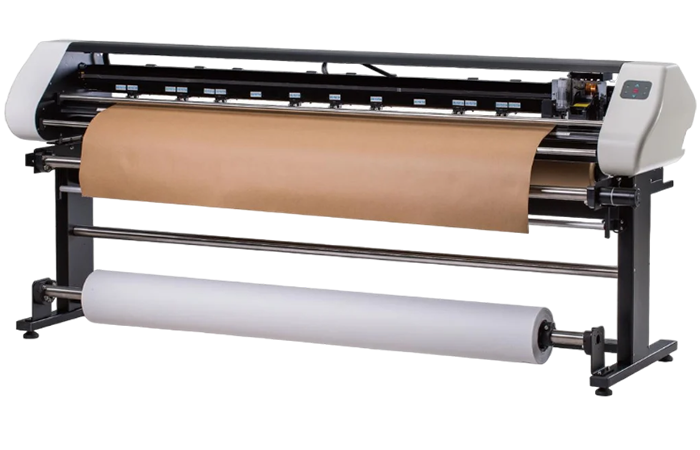
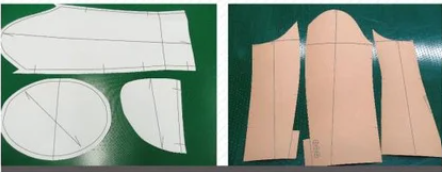
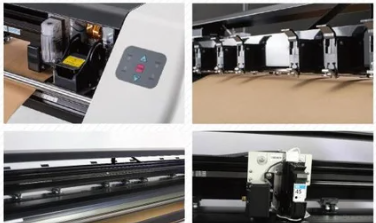

FT1209/FT1509/FT1512
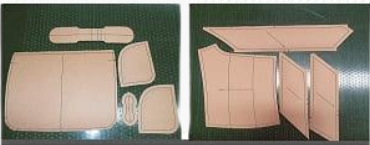

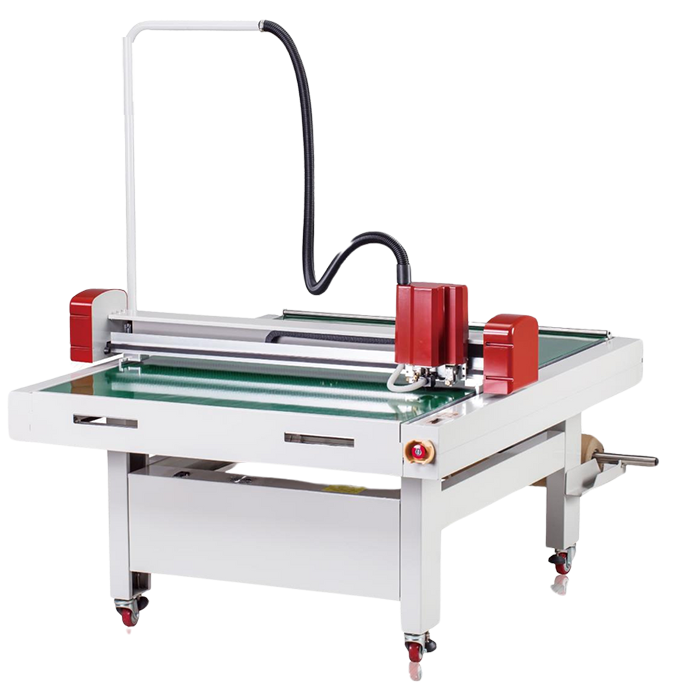
FT1209/FT1509/FT1512

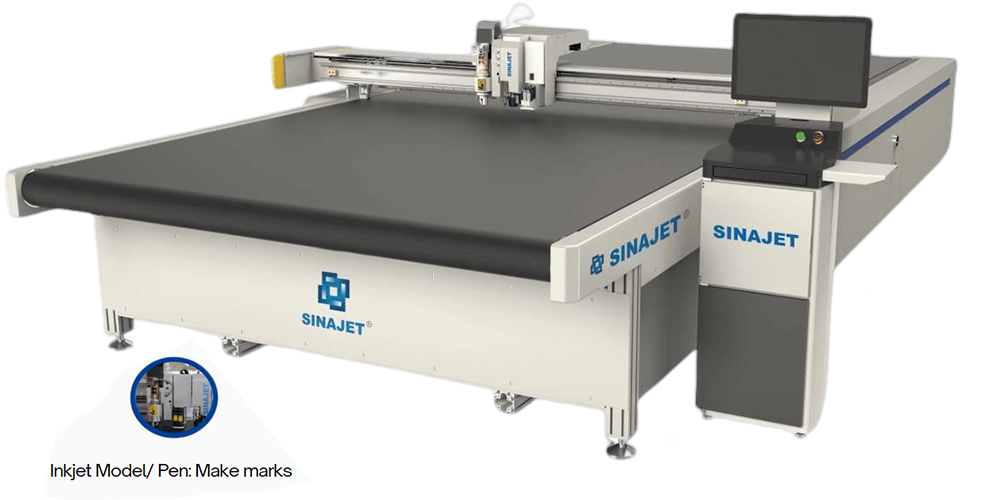


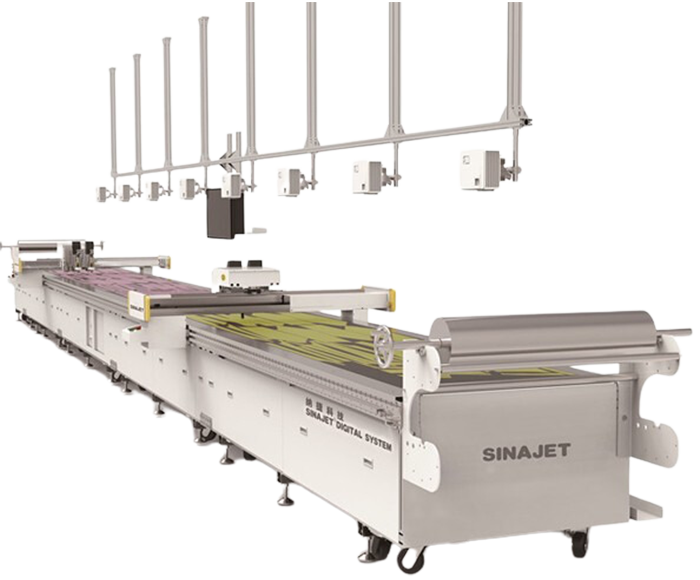

SINAJET is India's leading machine provider with

machines operating nationwide. Renowned for their durability and high quality, SINAJET machines ensure superior performance and reliability. Experience top-tier industrial machinery with SINAJET.

Distributor india