
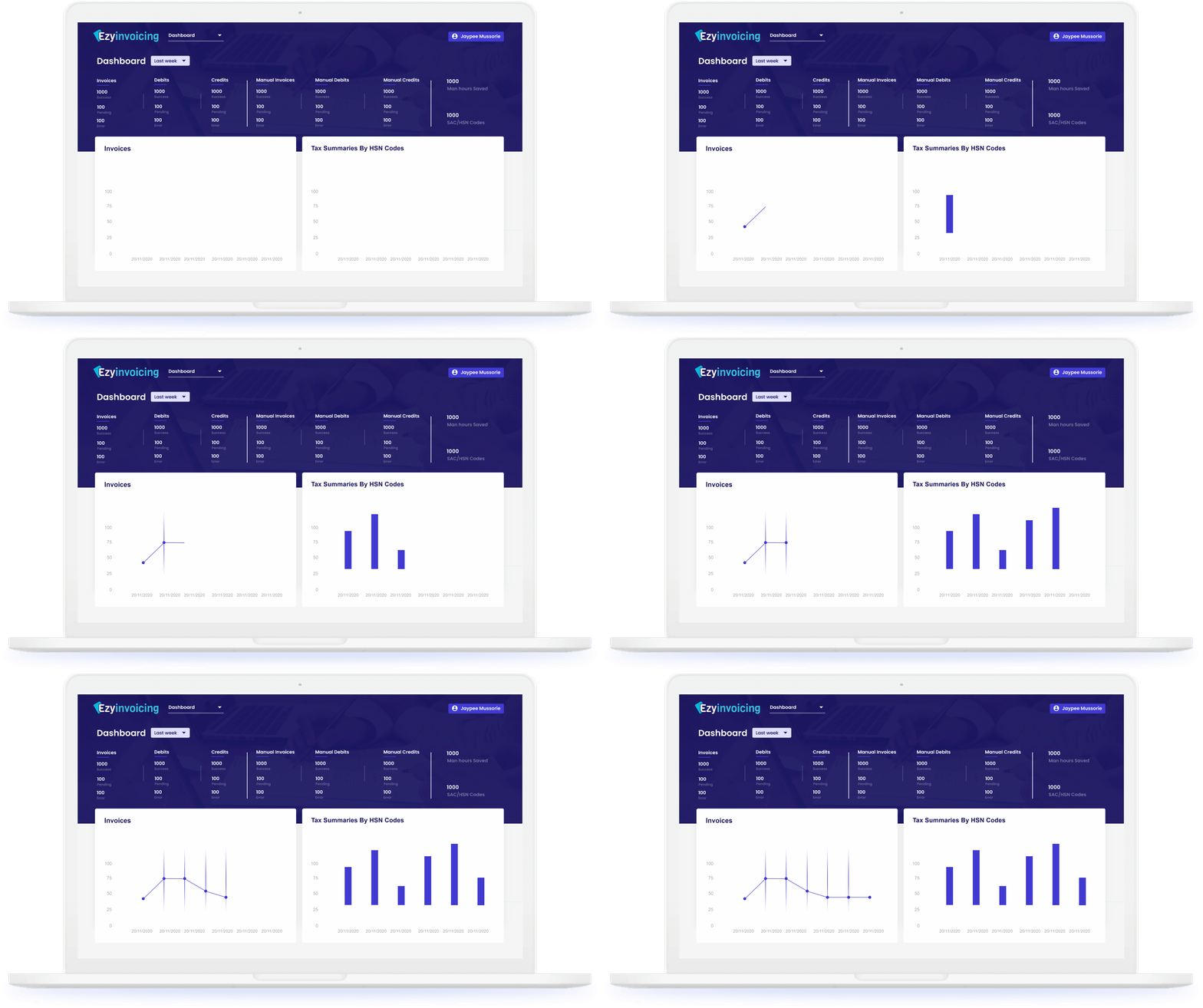

Generates invoices directly through any PMS/POS system without modifying existing processes

Supports robust error handling mechanism to ensure you generate
e-invoices without any
worries

Available both on cloud or on-premise deployment models as per client's convenience

One-click reconciliation of e-Invoice data with GSTR-1 data to take care of your compliance needs

Ability to configure custom templates as per your business need to print
e-Invoices in a
single click




Equipped with an SSL encryption for all on cloud deployments & also offer 2F Authentication mechanisms

24x7 in-house technical support and advisory services, dedicated key account manager and priority access to NIC 480p movie

Affordable price, high-end product and great value. No other hidden charges The 480p resolution originated in the early days

Allows integrations with multiple third party systems/partners to leverage the best out of its friendly RESTFUL API architecture In the realm of digital video, resolution plays

Best-in-class tech first company with deepest domain expertise in hospitality

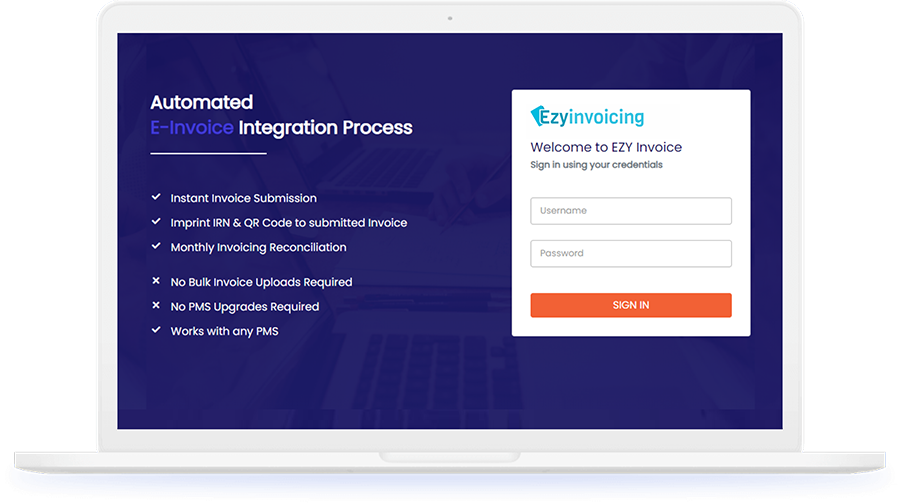
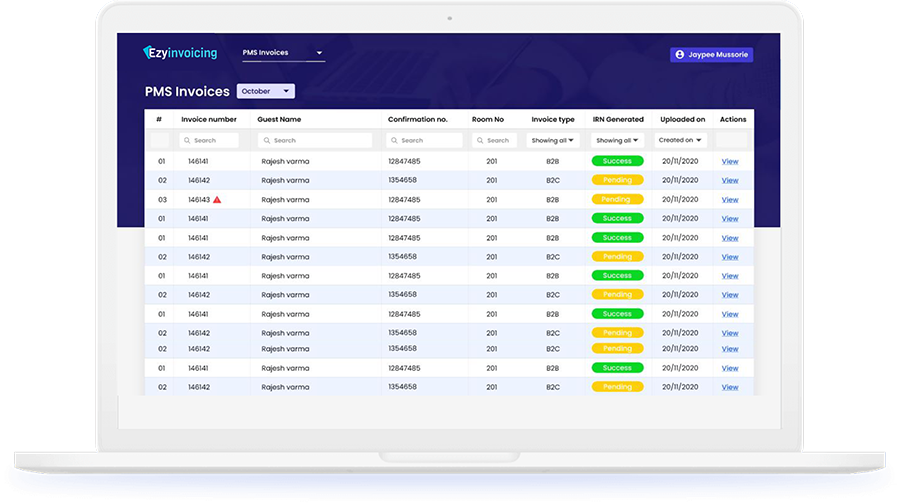
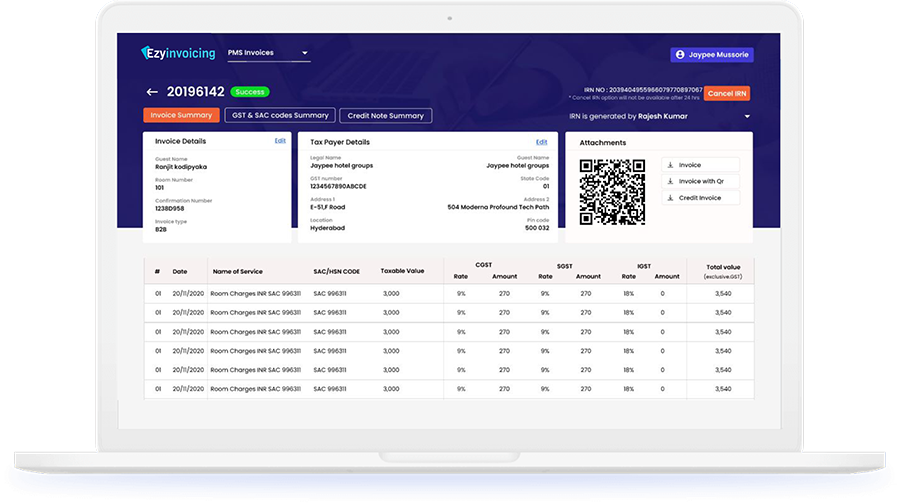
The 480p resolution originated in the early days of digital video, when computer monitors and TVs began to support higher resolutions. It quickly became a standard for digital video content, including movies, TV shows, and online videos. With the advent of DVDs and digital video platforms, 480p became a widely accepted resolution for movie distribution.
In the realm of digital video, resolution plays a crucial role in determining the quality of a movie. One such resolution is 480p, a popular standard for digital video content. In this write-up, we will explore the world of 480p movies, covering their characteristics, advantages, and limitations.
480p is a video resolution that consists of 640x480 pixels, with a total of 307,200 pixels. The "p" in 480p stands for "progressive scan," which means that the video is displayed in a single frame, with each line of pixels scanned in sequence. This results in a smoother and more detailed image compared to interlaced video.
The 480p resolution originated in the early days of digital video, when computer monitors and TVs began to support higher resolutions. It quickly became a standard for digital video content, including movies, TV shows, and online videos. With the advent of DVDs and digital video platforms, 480p became a widely accepted resolution for movie distribution.
In the realm of digital video, resolution plays a crucial role in determining the quality of a movie. One such resolution is 480p, a popular standard for digital video content. In this write-up, we will explore the world of 480p movies, covering their characteristics, advantages, and limitations.
480p is a video resolution that consists of 640x480 pixels, with a total of 307,200 pixels. The "p" in 480p stands for "progressive scan," which means that the video is displayed in a single frame, with each line of pixels scanned in sequence. This results in a smoother and more detailed image compared to interlaced video.